How Chinese Bar Stool Factories Can Outcompete Vietnam & Win Back U.S. Market Share Despite 20% U.S.-Vietnam Tariffs
The U.S. has imposed a 20% tariff on Vietnamese furniture imports, leveling the playing field for Chinese manufacturers. While Vietnam has been a strong competitor due to lower labor costs, China’s bar stool factories can reclaim market share by leveraging superior materials (metal, wood, leather, fabric), advanced automation, and higher-quality craftsmanship.
Here’s how Chinese manufacturers can outperform Vietnam and regain dominance in the U.S. bar stool market.
1. Why Vietnam Was Winning—And How China Can Fight Back
**✅ Vietnam’s Previous Advantages**
- Lower labor costs (but rising due to wage inflation)
- Preferential trade policies (now impacted by 20% tariffs)
- Strong wooden furniture production (but weaker in metal bar stools)
**✅ China’s Strengths to Counter Vietnam**
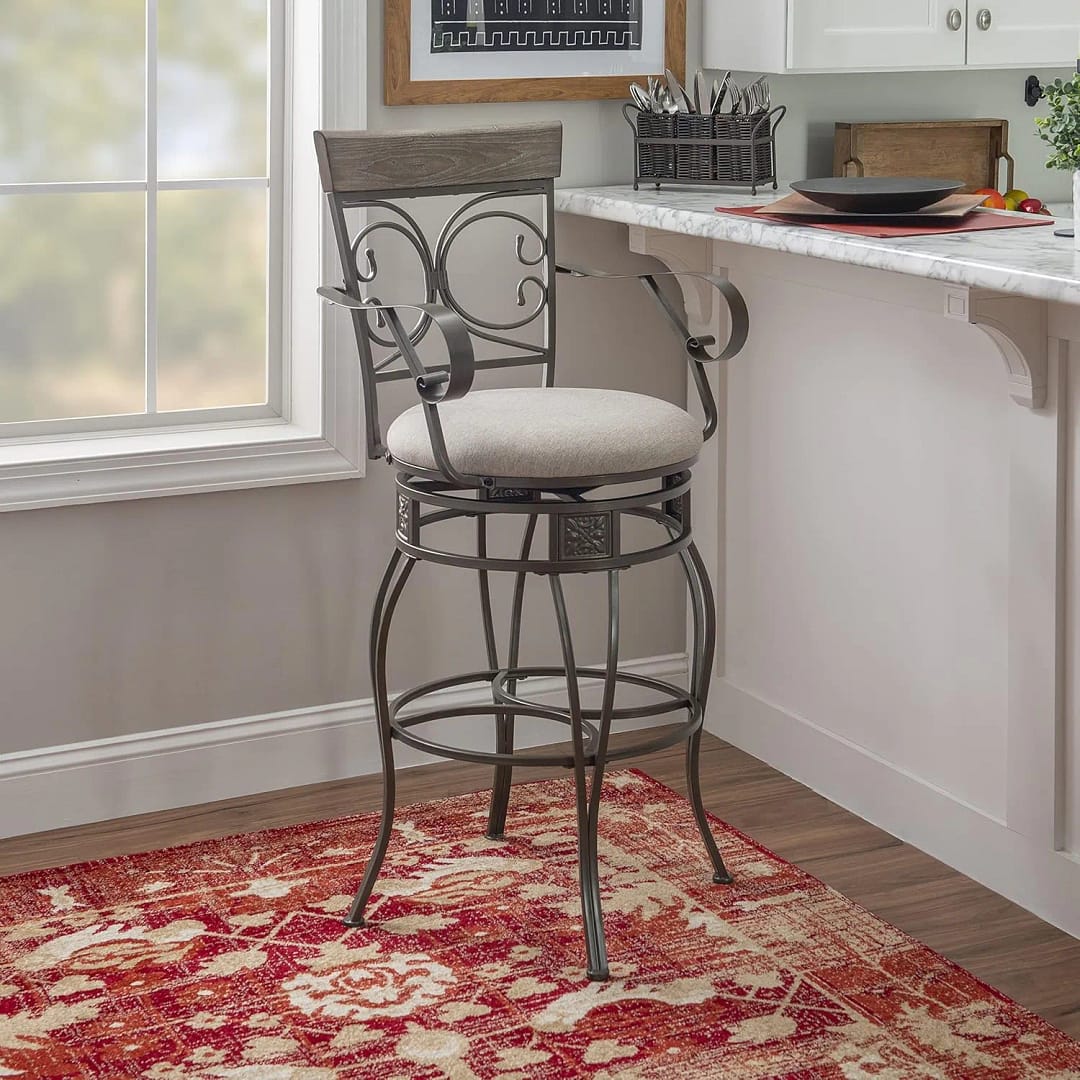
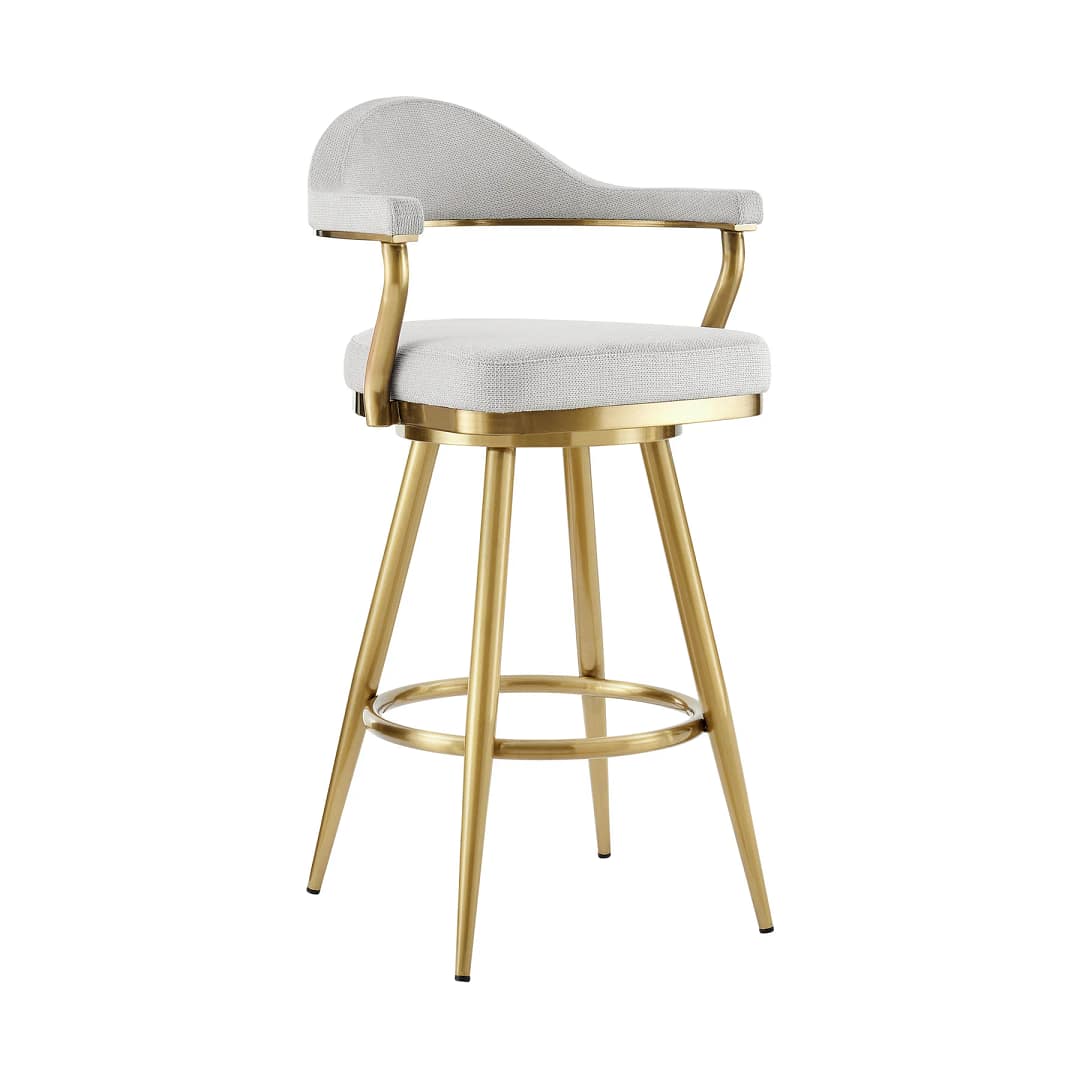
✔ Premium Materials – High-quality metal, wood, leather, and fabric combinations.
✔ Automation & Efficiency – Robotic production lines reduce costs and improve precision.
✔ Superior Finishing & Durability – Better powder coating, welding, and upholstery than Vietnamese factories.
2. How Chinese Bar Stool Factories Can Win Back U.S. Buyers
🔹 Focus on High-End Metal Bar Stools (Vietnam’s Weakness)
- Vietnam excels in wooden and rattan furniture, but China dominates in:
- Steel bar stools (industrial, modern styles)
- Iron bar chairs (rust-resistant, heavy-duty)
- Aluminium bar stools (lightweight, outdoor-friendly)
- Promote mixed-material designs (metal + wood, metal + leather, metal + fabric) for higher perceived value.
🔹 Highlight Advanced Manufacturing & Cost Efficiency
- Automated welding & cutting ensures perfectly aligned metal frames.
- Robotic powder coating provides smoother, longer-lasting finishes.
- AI-assisted quality control reduces defects, increasing buyer trust.
🔹 Offer Tariff-Offset Strategies for U.S. Buyers
- Bulk order discounts – Encourage larger shipments to reduce per-unit costs.
- FOB pricing flexibility – Help buyers optimize logistics.
- U.S. warehouse partnerships – Faster delivery, lower shipping costs.
🔹 Emphasize Quality & Customization (Vietnam Can’t Match)
- Hand-stitched leather seats vs. Vietnam’s mass-produced vinyl.
- Precision-cut metal frames vs. Vietnam’s manual welding inconsistencies.
- Custom fabric & color options – U.S. buyers pay more for exclusivity.
3. Marketing Strategies to Attract U.S. Buyers Away from Vietnam
**✔ Target U.S. Buyers Who Value Quality Over Cheap Prices**
- Restaurant chains – Need durable, stylish metal bar stools.
- Luxury hotels & bars – Prefer leather or fabric upholstered stools.
- E-commerce sellers – Want unique designs (Amazon, Wayfair, Overstock).
**✔ Attend U.S. Trade Shows (High Point, Las Vegas Market)**
- Showcase automation advantages (videos of robotic production).
- Offer live customization demos (let buyers pick materials on the spot).
**✔ Strengthen Online Presence with SEO & E-Commerce**
- Optimize for keywords:
- “Best metal bar stools from China”
- “High-quality steel barstools vs. Vietnam”
- “Custom leather bar chairs factory direct”
- List on B2B platforms: Alibaba, Made-in-China, Global Sources.
4. Conclusion: China Can Regain U.S. Market Share
With Vietnam now facing 20% tariffs, Chinese bar stool factories have a golden opportunity to reclaim lost business. By emphasizing:
✅ Superior metal craftsmanship (Vietnam’s weakness)
✅ Automation & efficiency (lower long-term costs)
✅ Premium materials & customization (higher profit margins)
U.S. buyers will recognize that China still offers the best value—even with tariffs.