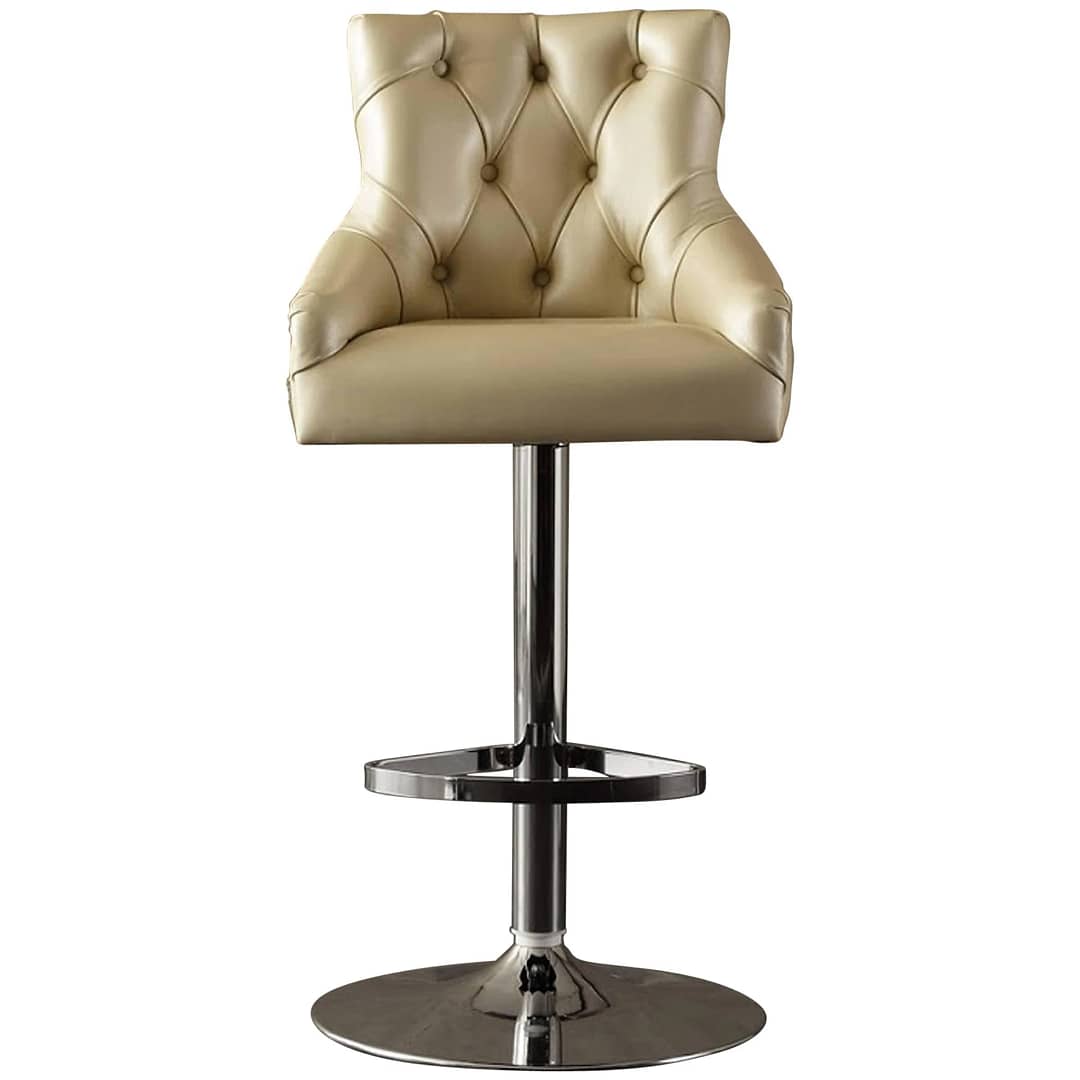
The Path to 2025: How Chinese Bar Stool Factories Thrive Amid Global Trade Tariff Wars
As the global trade landscape becomes increasingly volatile, Chinese bar stool manufacturers are navigating a complex environment shaped by tariffs, shifting supply chains, and fierce competition from Southeast Asian rivals like Vietnam, Indonesia, and Malaysia. Despite these challenges, China’s furniture industry remains a dominant force, particularly in metal bar stools, steel barstools, iron chairs, and other high-quality seating solutions.
The Impact of Global Trade Tariff Wars on Bar Stool Factories
Trade tensions between major economies have led to rising tariffs on imported furniture, forcing manufacturers to rethink their strategies. While countries like Vietnam benefit from lower labor costs and preferential trade agreements, China’s bar stool factories maintain a competitive edge through superior craftsmanship, advanced manufacturing technology, and cost-efficient material sourcing.
Key competitors such as Vietnam and Indonesia have gained market share in wooden and rattan furniture, but China continues to lead in metal-based bar stools—thanks to its expertise in steel, aluminium, and iron fabrication. Additionally, Chinese factories offer a wider range of upholstery options, including premium leather and durable fabric, making their products more versatile for global buyers.
Why Chinese Metal Bar Stools Dominate the Market
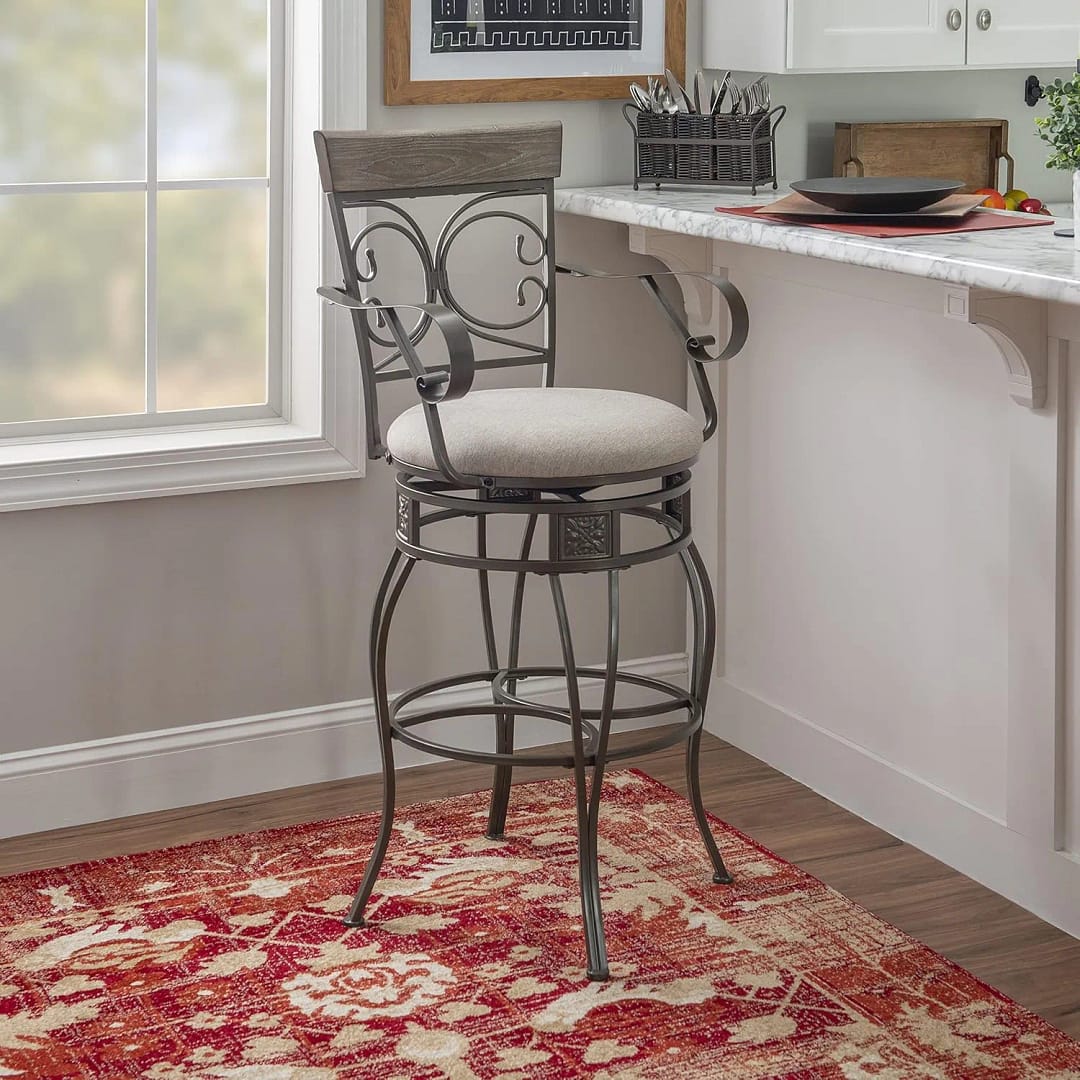
- High-Quality Materials – China’s bar stool factories excel in producing steel barstools, iron chairs, and aluminium stools with superior durability and sleek designs. The use of powder-coated metal ensures rust resistance, making them ideal for both indoor and outdoor use.
- Customization & Innovation – Unlike competitors, Chinese manufacturers offer extensive customization in metal finishes, leather upholstery, and fabric choices, catering to diverse market demands.
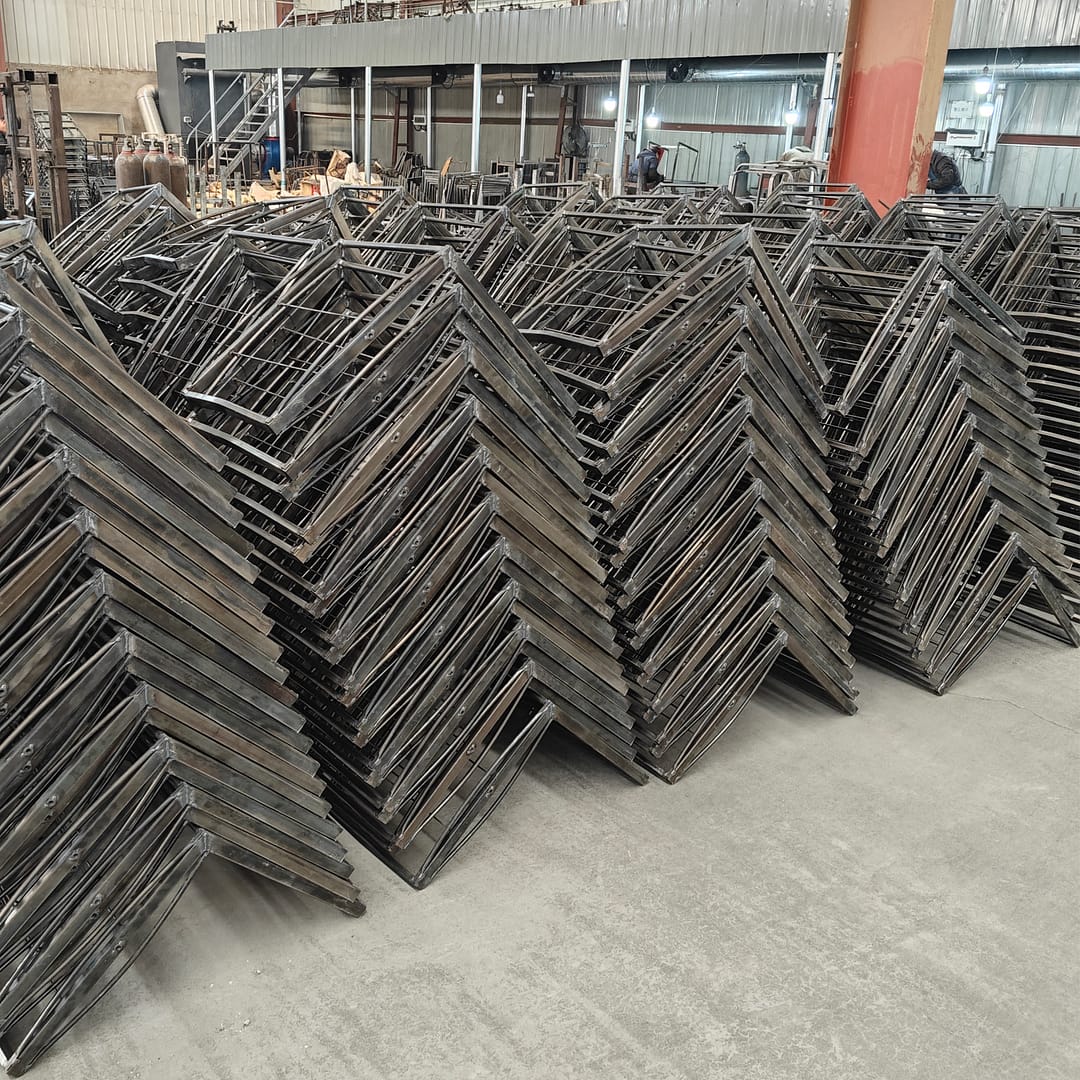
- Cost-Effective Production – Despite rising labor costs, China’s advanced automation and large-scale production keep prices competitive without sacrificing quality.
Overcoming Challenges: The 2025 Strategy for Chinese Bar Stool Factories
To stay ahead, Chinese manufacturers are focusing on:
✔ Diversifying Export Markets – Reducing reliance on the U.S. and EU by expanding into Africa, the Middle East, and South America.
✔ E-Commerce & Direct-to-Consumer Sales – Leveraging platforms like Amazon and Alibaba to bypass traditional trade barriers.
✔ Sustainable Manufacturing – Adopting eco-friendly practices, such as recycled metal and water-based coatings, to appeal to environmentally conscious buyers.
Conclusion: China’s Bar Stool Industry Remains Strong
While Vietnam, Indonesia, and Malaysia pose competition in certain segments, China’s expertise in metal bar stools, steel barstools, and iron chairs ensures its continued dominance. By embracing innovation, customization, and smart trade strategies, Chinese factories are well-positioned to thrive in 2025 and beyond.
For global buyers seeking durable, stylish, and cost-effective bar stools, China remains the top choice—combining quality metalwork, premium leather, and fabric options with unbeatable manufacturing efficiency.
Looking for high-quality bar stools? Partner with a leading Chinese factory today!